Management of mental disorders usually involves therapy, change of lifestyles, and the use of medication. In most cases of anxiety, depression, ADHD, and bipolar, for example, people are required to take well-monitored medications. Such medications increase their level of stability, concentration, moods, among other positive results.
It is therefore essential to ensure that such medications are safe and personalized at all times. The aim of this blog is to highlight the importance of professional monitoring and personalizing medications through psychiatric care for mental health.
What Is Mental Health Medication Management?
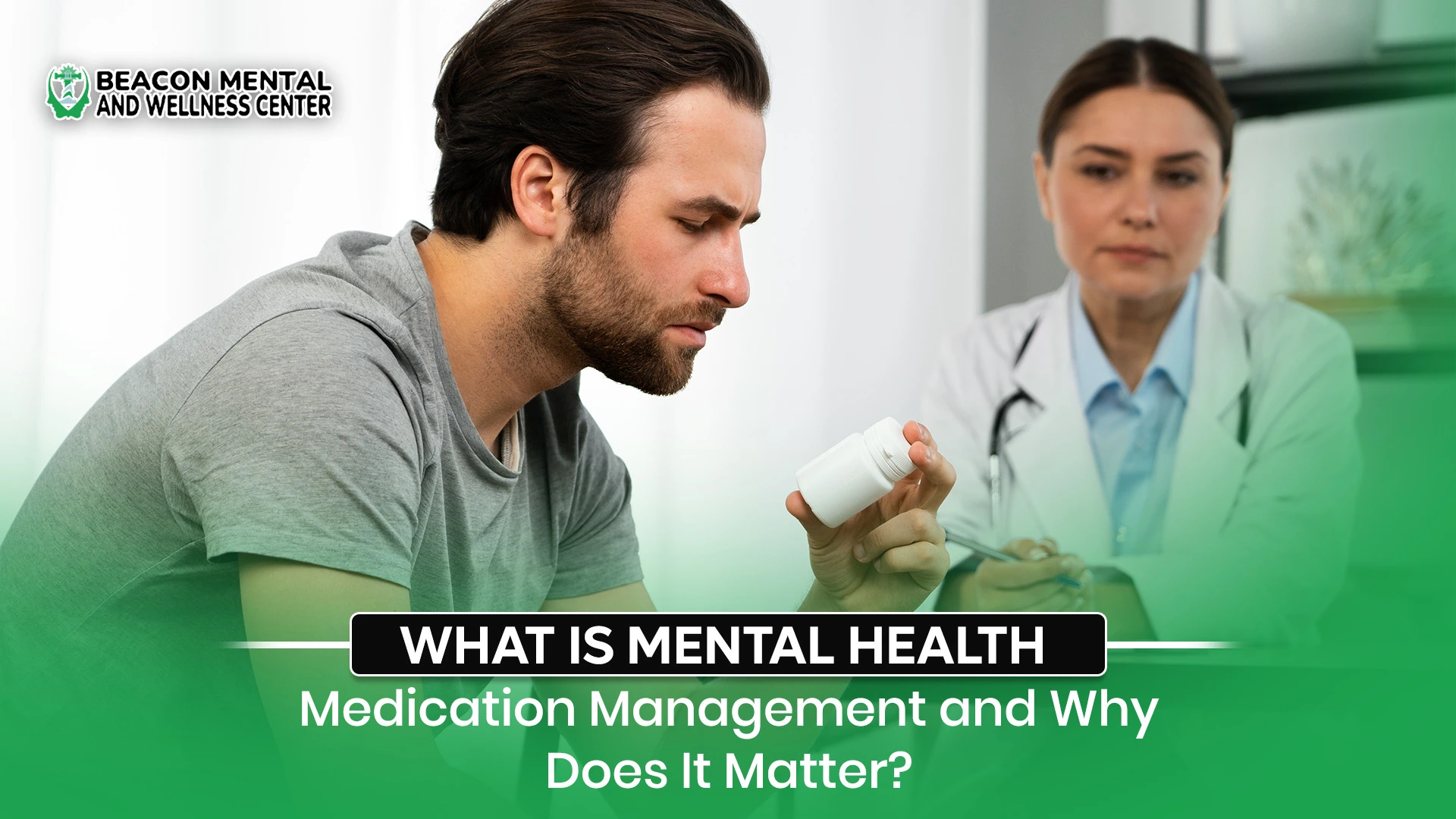
Mental health drug therapy is the administration, regulation, and adjustment of psychotropic drugs for the purpose of enabling individuals to better cope with emotions and behaviors. Effective mental medication management enables individuals to obtain their needed care without the risk of taking the wrong dosage of the drugs.
Medication management involves the use of psychiatric assessments, medication prescription, monitoring for effectiveness of medication, and dosage changes. Under medication management therapy, the healthcare provider will observe the patient’s response to the medication and make any changes necessary to help the individual become mentally healthy. Our mental medication management services support patients to receive safe, personalized treatment plans with ongoing psychiatric care and monitoring.
There are many health professionals involved in ensuring safety and effectiveness in the care provided, such as psychiatrists, psychiatric nurse practitioners, and mental health practitioners. This group works collectively to offer comprehensive psychiatric medication care services that facilitate sustained recovery and improvement in quality of life.
Why Mental Health Medication Management Matters
Medication management can be active as it improves therapy success, reduces risks, facilitates emotional stability, and assists in achieving mental wellness.
Improves Treatment Effectiveness
Effective mental health treatment with medication makes sure that prescribed drugs have done their job correctly according to each particular case. This will provide an opportunity for doctors to tailor medicine usage according to one’s needs to help them maintain emotional stability and concentration.
Reduces Side Effects and Risks
Careful medication monitoring for mental health for psychological problems allows detecting potential adverse effects, allergies, and dangerous interactions between medicines before they cause more harm. Consistent control guarantees that all drugs taken by a patient do not adversely affect his or her physical and psychological state.
Supports Lasting Mental Wellness
Consistency within the safe handling of prescription medicines will ensure that one’s symptoms are adequately handled and their moods are stabilized, thus ensuring the quality of life improves entirely. Consistency within the continued use of prescription drugs ensures that the likelihood of one relapsing is minimized.
Encourages Medication Adherence
Mental health prescriptions management from a professional perspective guarantees that patients stick to their treatment programs with the support of information, advice, and continuous support. Knowing how the medication works and its correct use makes patients more submissive and contributes to treatment effectiveness.
Conditions Commonly Treated Through Medication Management
The practical use of medications can be useful for patients in terms of coping with symptoms, stabilizing their emotions, and performing effectively throughout the day.
ADHD Medication Management
The effective ADHD medication management includes the use of stimulant and non-stimulant drugs that help to increase focus, decrease impulsivity, and manage behavior. This helps not only to adjust doses but also to achieve success academically and professionally as well as in social settings.
Depression Medication Management
Proper depression medication management is all about the use of antidepressants that can enhance mood, mental well-being, and functionality. Monitoring of such patients is necessary to assess whether there is need to modify the therapy to prevent recurrent episodes of depression.
Anxiety Medication Management
Proper medication management for anxiety ensures that an individual is able to avoid panic attacks, stress, and constant fear through the process of administering these drugs through properly monitored programs. The reaction of patients is closely watched to guarantee safety and efficiency of anti-anxiety drugs.
Bipolar Disorder Medication Management
Bipolar disorder medication management involves the use of mood stabilizers and antipsychotic drugs to keep the emotions stable. Psychiatric evaluations minimize the chances of experiencing either manic or depressed moods and enable one to have a consistent emotional state and safe recovery process.
How Medication Management Therapy Works
Medication management therapy involves professional assessment, personalized treatment, and ongoing evaluation to produce favorable mental well-being results. A comprehensive psychiatric evaluation services assists to identify mental health conditions precisely and produces the foundation for effective medication treatment.
Initial Assessment
Reviewing a person’s medical history, the mental health problems that the individual may have, and analyzing their symptoms will be the first part of the medication management therapy. Through this analysis, the health practitioner is able to understand what kind of treatment should be provided to them.
Creating a Personalized Medication Plan
Personalized mental medication plans for mental problems are attained through choosing suitable drugs and adjusting dosage based on personal symptoms, lifestyle, and objectives. Personalization advances the effectiveness of medicines, decreases adverse effects, and makes sure patients get medications that outfit their mental health issues.
Ongoing Monitoring and Follow-Ups
Medication follow-ups for psychiatry will enable the physician to monitor the progress of the patient, side effects and adjustment of the medications if necessary. The consistency in following up on the patient will make it easy for the patient to stabilize emotionally in relation to their new psychological issues.
Combining Medication with Therapy
Mental health treatments using drugs may also involve cognitive behavior therapy, counseling, and a holistic approach to healing. This combination of drug treatments and therapy enables a patient to learn how to cope with their illness as well as strengthen their emotional stability. Combining medication with individual therapy services can advance emotional coping skills, strengthen recovery, and support lasting mental wellness results.
Benefits of Online Psychiatric Medication Management
Online psychiatric services make mental health care services more accessible, flexible, and convenient to use along with providing safe and effective prescription drugs.
Convenience and Accessibility
The contemporary online psychiatric medication management involves virtual visits conducted by patients while at home, eliminating unnecessary travel time and long waiting periods. Virtual therapy is also better for accessing the services of professionals dealing with mental well-being issues, particularly for those living in rural settings.
Faster Follow-Ups
Online appointment follow-ups will help doctors to easily manage the dosages of drugs used in treating the mentally ill patients. Effective communication through such appointments will promote effective medication adjustment for mental health for improved patient care and better management of symptoms.
Increased Privacy and Comfort
A virtual approach to mental health medication management is more private and comfortable for those people who have apprehensions regarding an in-person appointment. Flexibility in scheduling, lesser stigmatization, and providing treatment in one’s own environment will motivate more people to regularly visit their mental health practitioners.
Signs You May Need Medication Management Services
Understanding the early signs will assist people to obtain professional help before it becomes more challenging to cope with mental health issues.
Symptoms Not Improving
If the symptoms remain after treatment despite attempts to manage them, then professional mental health medication management may prove necessary. It allows for the assessment of the medications taken, the evaluation of their efficacy, and modification in order to optimize the control over symptoms and emotional well-being.
Medication Side Effects
The symptoms of feeling dizzy, fatigued, moody, etc. can be signs that indicate the need to monitor medication for one’s mental wellness. Monitoring can assist medical professionals in identifying dangerous side effects as well as helping to avoid any complications when adjusting medications.
Medication Routine Difficulties
Skipping medications and being unable to adhere to prescribed medication regimens may lead to poor outcomes and exacerbation of symptoms. Mental health prescription management by professionals offers education and guidance to help individuals take their medications properly and ensure compliance with their prescribed treatment regimen.
Multiple Medication Confusion
Taking multiple prescriptions at once might be too difficult and lead to possible errors regarding dosages and drug interactions. Follow-up medications for mental disorders provide assistance in coordinating the treatment process and taking medications that will interact well with each other for overall recovery.
Mood Behavior Changes
Unpredictable mood changes, irritability, and even uncharacteristic behavior changes could be signs that medication needs to be reconsidered. When mental illness patients have their medication adjusted for mental health correctly, practitioners can assess symptoms, alter approaches to treatment, and reestablish equilibrium in an individual’s moods without aggravating their condition further.
What to Expect During a Medication Management Appointment
Mental health medication management appointments include a conversation of current symptoms, how well a medication is employed, any side effects being experienced, and any new routine changes that could impact recovery. The appointments allow professionals to assess emotional improvement, ensure safety, and check if changes are required in the course of treatment. Understanding the role of precise diagnosis is essential, which is why psychiatric evaluations are decisive for producing safe and dynamic mental health treatment plans.
Patients should ask relevant questions in order to get a better understanding of their medication regime when they have appointments with their psychiatrist for medication management. Some of the important questions to ask include the duration of time it will take to see results, potential side effects, and if there are any interactions with any other medications taken.
Tips for Safe Psychiatric Medication Management
Medication protection is crucial to ensure stability in mental health outcomes which minimize potential dangers, and preserve treatment effectiveness.
Do Not Stop Suddenly
Never stop safe psychiatric medication management unexpectedly on your own, because it may lead to withdrawal effects, regression, or even deteriorating of your mental illness. Always speak to your physician first, so that any essential adjustments could be made safely.
Follow Prescribed Dosage
Detecting the recommended dosage in mental health prescriptions management is an imperative aspect since it helps ensure that the drugs will be effective. Underdosing or overdosing will lower the efficiency of the medication or even source negative side effects, thus proper adherence is crucial.
Attend Regular Follow-Ups
Psychiatric follow-up medication services for patients help in monitoring the progress of their medications, and any modifications can be made as necessary. Through consistent follow-ups, better results of treatment will be achieved, and proper management of the medications will be ensured.
Report Symptoms Honestly
Truthful reporting of any symptoms and side effects will help monitor medications for mental health purposes. Honest communication will help healthcare professionals in making an appropriate decision regarding any change in treatment and help manage patients’ symptoms effectively and safely.
Maintain Healthy Habits
Lifestyle choices that have a positive impact on well-being will assist in the treatment of mental disorders using medication; these include proper sleep, nutritious eating, and physical activity. These factors enhance the efficacy of the medication, maintain stability of one’s mood, and improve emotional endurance.
The Future of Personalized Mental Medication Plans
The future of personalized mental medicines will be more informed by data, as the development of psychiatry is being driven by technological innovations and knowledge in the field. Healthcare professionals can now better monitor patient reactions and tailor medication choice, dosage, and other factors that will positively affect mental health treatment results.
Telepsychiatry advances will also influence online management of psychiatric medications by making remote consultations more efficient. The development of digital medication monitoring solutions and personalized methods of treatment will improve symptom management and increase the efficacy of medications prescribed for psychiatric conditions.
How Beacon Mental Center Help with Mental Health Medication
The Beacon Mental Center offers structured assistance to those who need professional help with managing psychiatric medication. This involves conducting assessments for each client, formulating customized treatment plans, and continuously monitoring medication use. The facility ensures that medications prescribed to the patient are appropriate, tolerable, and adjusted as per improvement in symptoms and side effects of medications. By doing so, the facility assists in improving the treatment process for disorders such as anxiety disorders, depression, attention deficit hyperactivity disorder, and bipolar disorder among others. The facility promotes safe and professional practices by educating clients about their medications and maintaining consistency in treatment plans.
FAQs
What is mental health medication management?
It is prescribing, monitoring, and adjusting psychiatric medications for safe and active mental health treatment.
Who needs medication management services?
People with anxiety, depression, ADHD, bipolar disorder, or enduring medication side effects may want support.
How often are follow-ups required?
Follow-ups vary, but generally occur every few weeks or months based on treatment progress.
Can medications be adjusted during treatment?
Yes, psychiatrists adjust doses or switch medications based on retort and side effects observed.
Is medication management combined with therapy?
Yes, it frequently includes therapy like CBT for better longstanding mental health outcomes.